Introduction
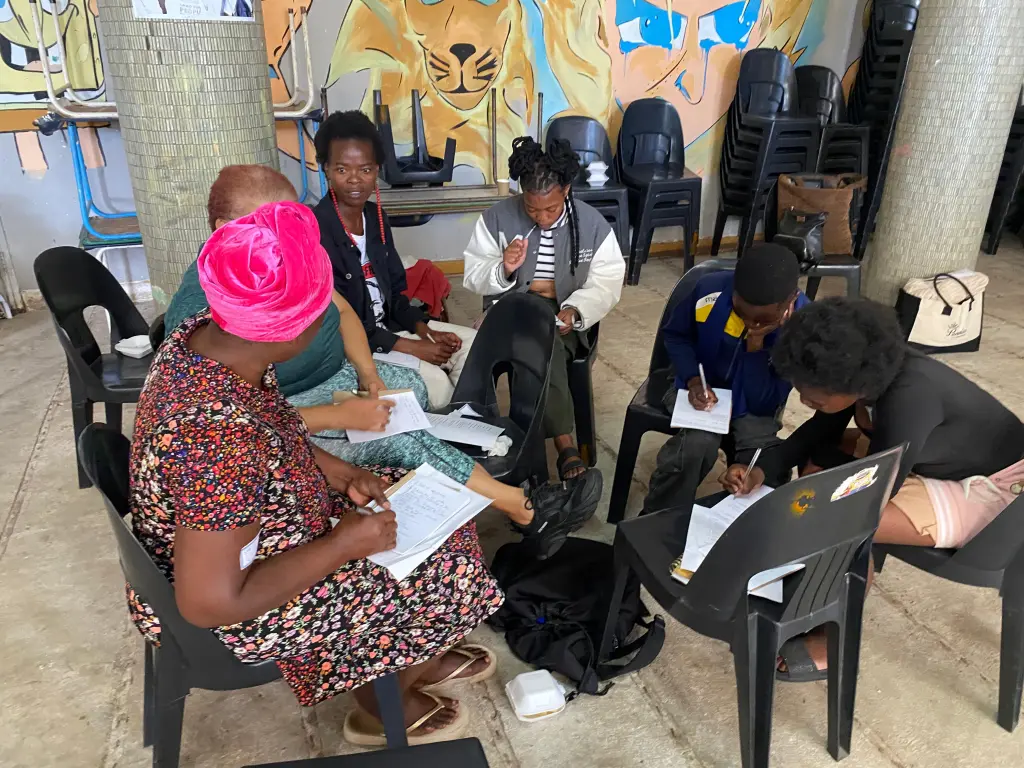
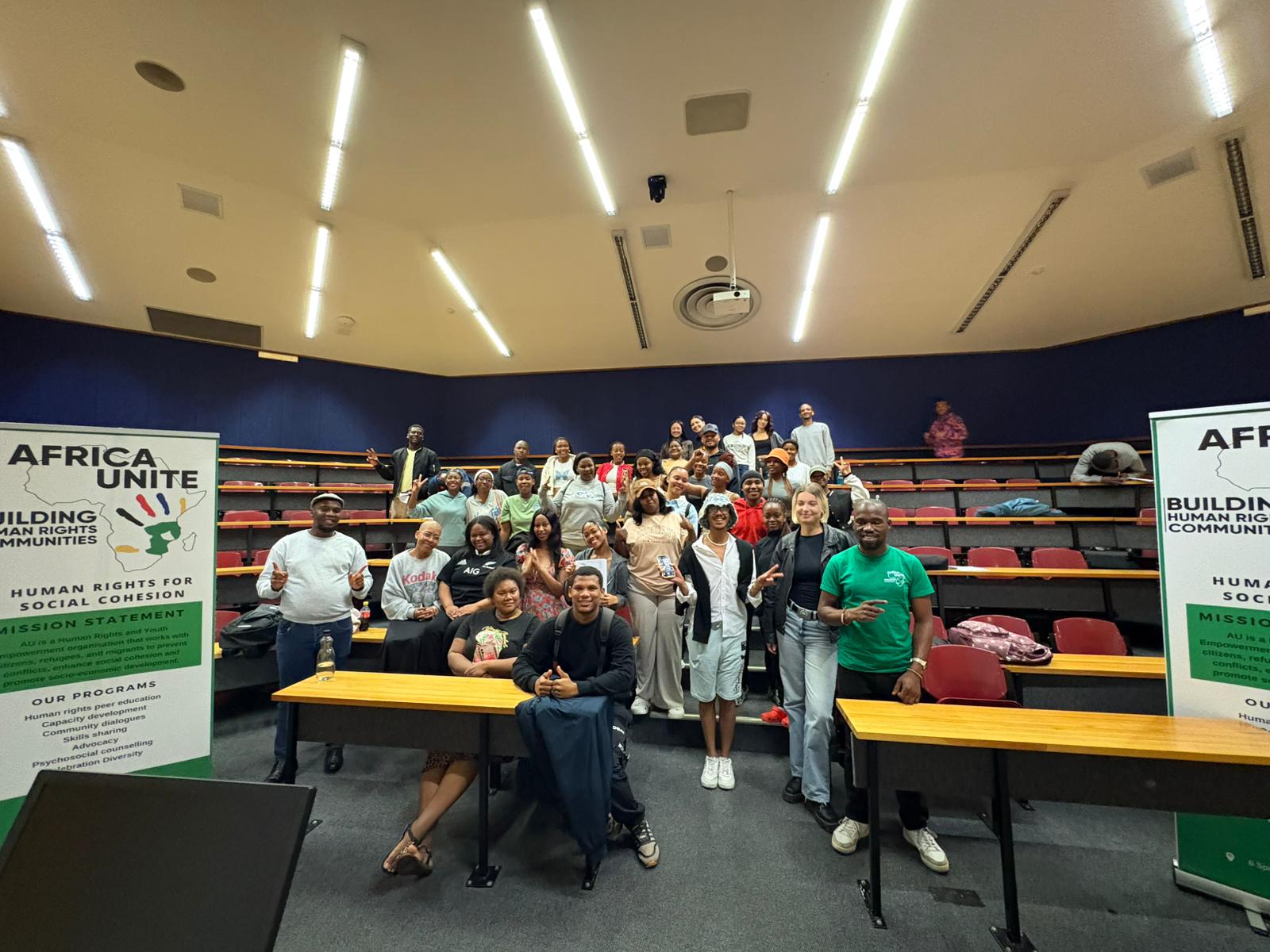
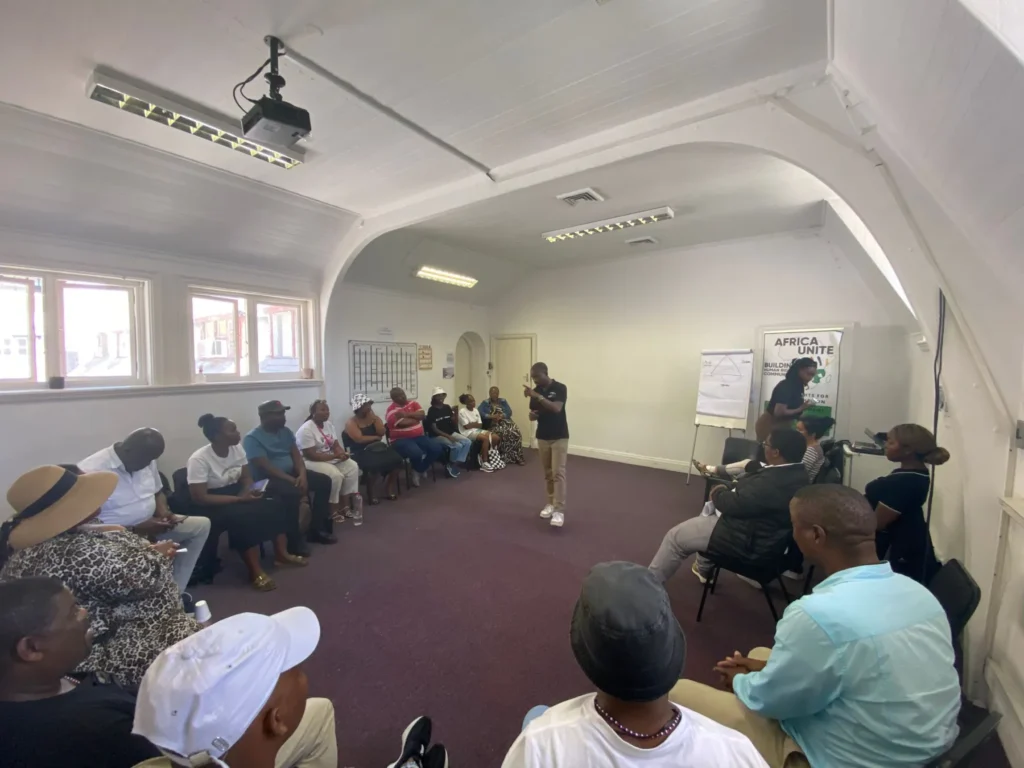
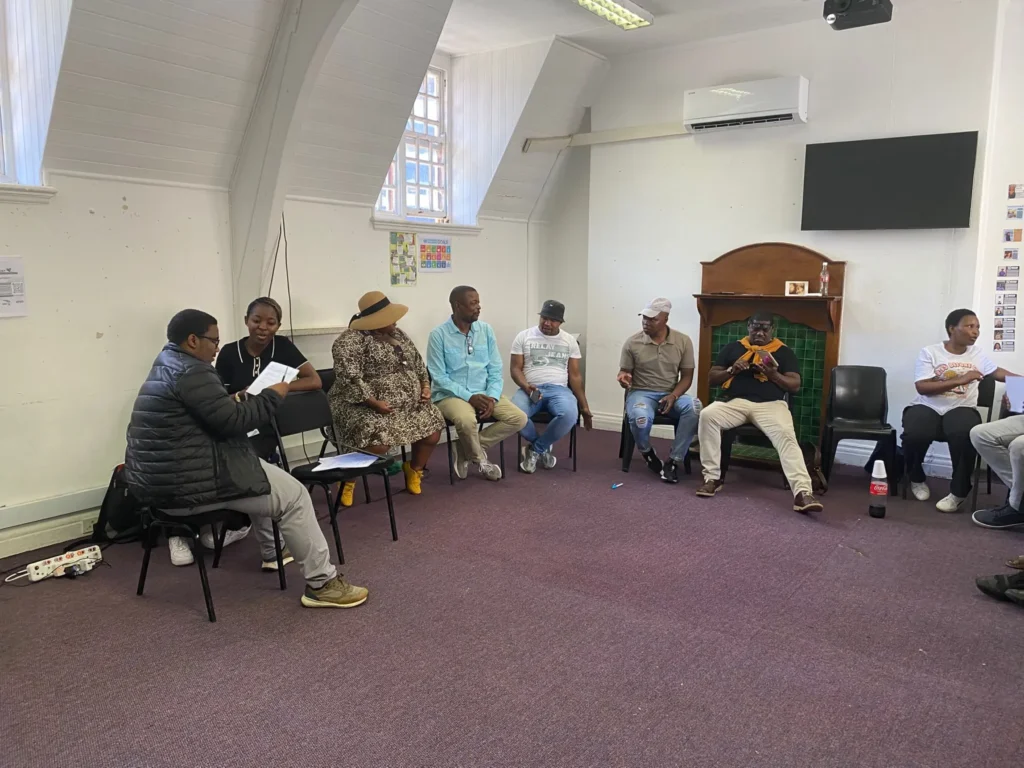
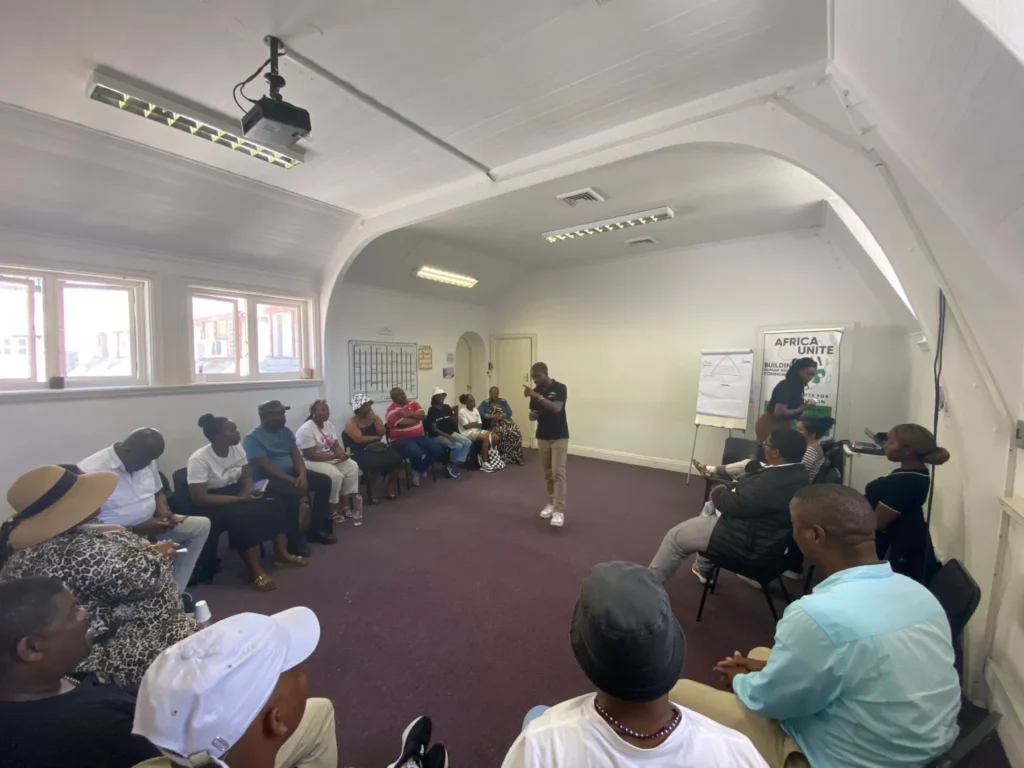
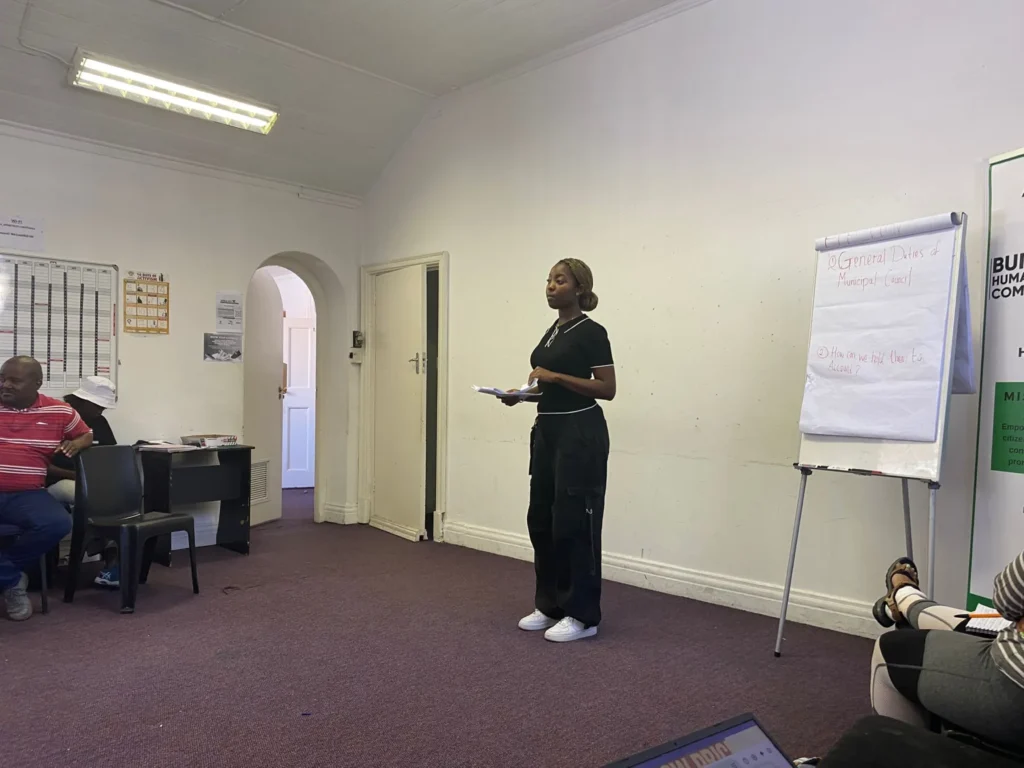
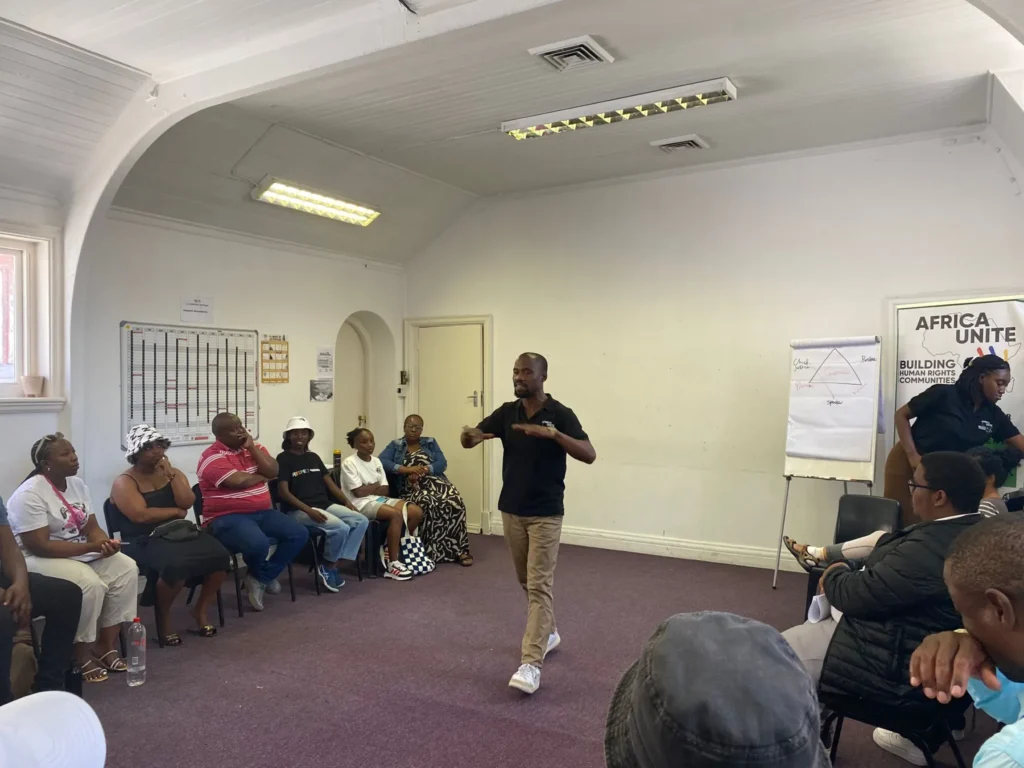
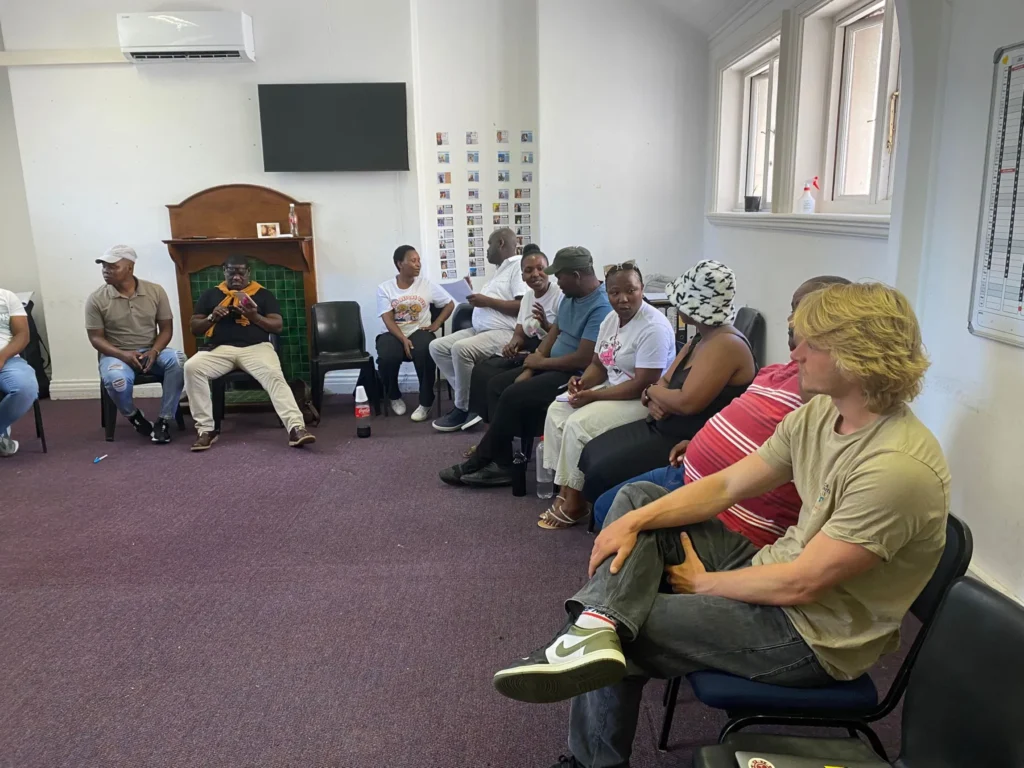
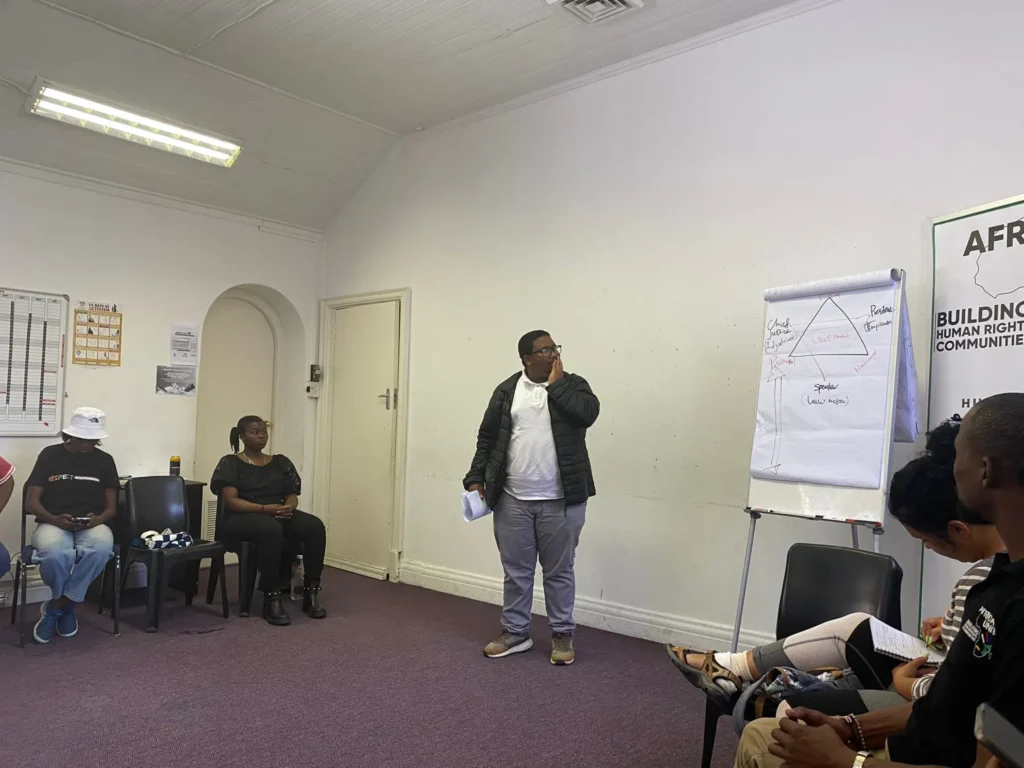
On October 30th, 2025, Africa Unite in partnership with ACTIVATE!, hosted a civic education workshop on “How Local Government Works” at the Africa Unite office in Cape Town. It was attended by 27 participants made up of 22 females and 5 males, including community members and local leaders. This workshop was part of Africa Unite’s Democracy and Civic Education Programme, aimed at enhancing democratic participation in preparation for the 2026 local government elections. The event focused on educating participants about the structure and responsibilities of local government, the roles of ward councillors and committees, and ways for communities to engage in policymaking and budgeting. By clarifying governance concepts like the Integrated Development Plan (IDP), the workshop addressed the knowledge gap between government and citizens.
Ultimately, the workshop encouraged participants to transition from passive recipients of information to active, engaged citizens. It highlighted that democracy involves ongoing civic participation, accountability, and collaboration with government for effective service delivery and community development. Africa Unite reaffirmed its commitment to fostering informed and empowered communities capable of driving meaningful change in local governance.
The Purpose of the Workshop
The purpose of this workshop was to empower community members to understand local government functions and participate meaningfully in civic processes, thus transitioning from passive to active citizens. Many communities lack the necessary knowledge about local governance structures and do not know how to engage with decision-makers. By simplifying governance concepts and clarifying the role of local leaders, such as ward councillors and ward committees, the workshop aimed to reduce the gap between government and communities. Ultimately, the workshop promoted active citizenship by equipping participants with the information and skills needed for public participation, engaging in municipal processes, and advocating for community development and accountability.
Topics Covered During the Workshop
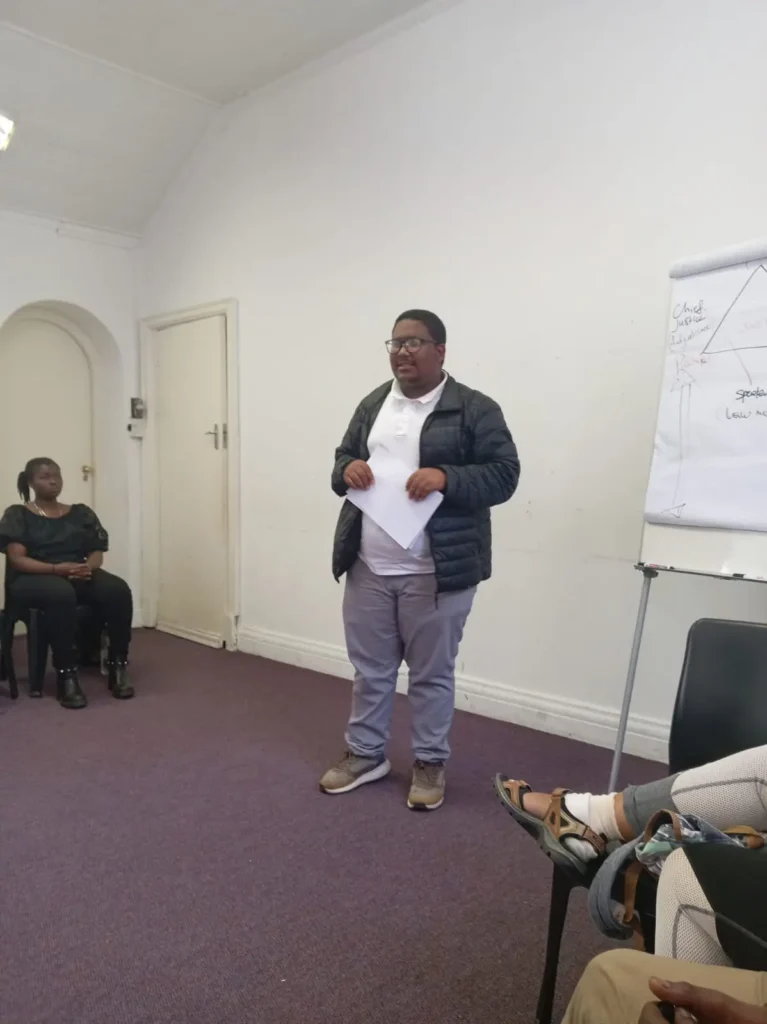
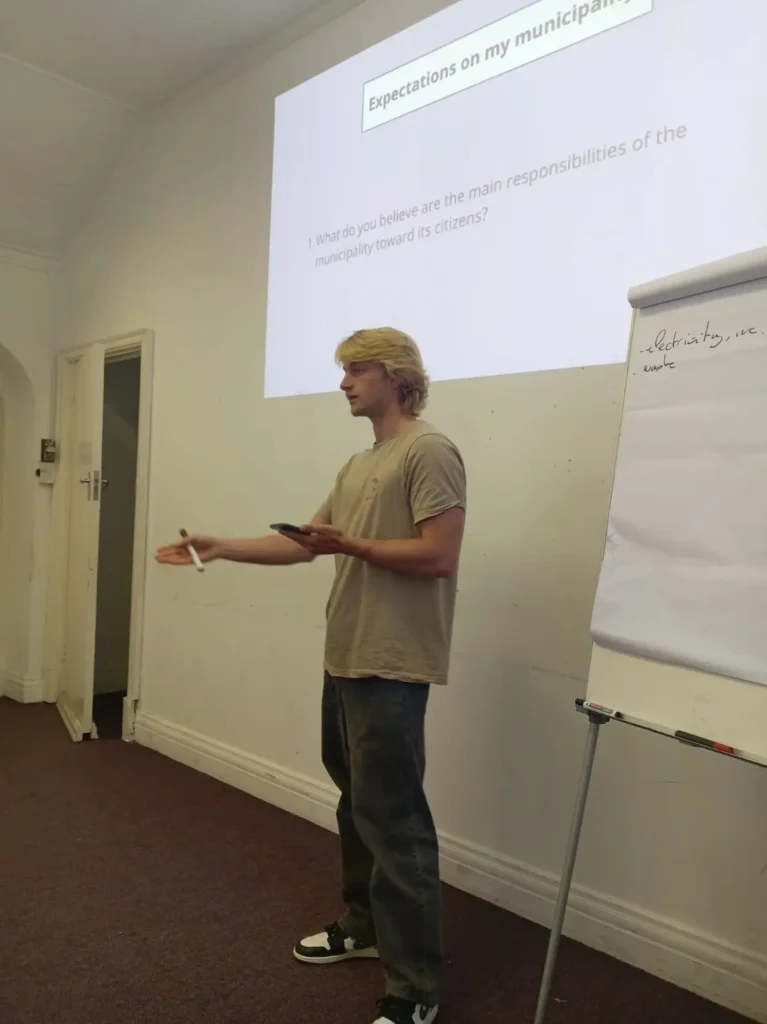
The workshop began with an overview of the general nature and characteristics of the South African government, highlighting the separation of powers and cooperation between all three spheres of government; the national, provincial, and local. Facilitators then introduced participants to the structure, roles, and responsibilities of local government, emphasizing how municipalities are tasked with delivering essential services such as water, sanitation, and community development.
A key component of the session explored how laws and policies are developed, outlining the progression from Green Paper to White Paper and ultimately to final legislation or municipal by-laws. The budgeting process was also unpacked, enabling participants to understand how municipal budgets are formulated through the Integrated Development Plan (IDP) and how communities can shape these priorities through public participation.
The discussion further examined the roles of ward councillors and ward committees, highlighting their importance as representatives of community needs and as vital communication channels between residents and the municipality.
The workshop concluded with a focus on active citizenship, encouraging participants not only to attend public meetings but to engage meaningfully in local governance processes. Participants were encouraged to move beyond the role of observers to become active partners and co-creators in service delivery and government programmes, working alongside local authorities to design, implement, and sustain community-driven solutions.
Burning Issues Raised During the Workshop
Participants shared that there is very limited understanding of how laws and policies are made at a local government level and that the information often is not accessible. Several participants indicated that in their wards, there are either no ward committees or that community members are unaware of who the committee members are. This lack of information contributes to distrust toward local leadership and discourages community involvement in decision-making processes.
Furthermore, participants expressed that government documents and communication are often filled with acronyms and complex terminology, making it difficult for residents to understand municipal processes. This results in weakened public participation, with only a few individuals engaging on behalf of entire communities. The lack of civic education has therefore created a situation where communities do not feel confident enough to participate or question local governance structures, do not play an active or responsive role in the democratic problem-solving of issues, and do not take part as partners and cocreators of service delivery and development initiatives.
Community leaders observed that in many areas, positions within local governance and civic structures, such as street committees, South African National Civic Organisation (SANCO), community policing forums, ward committees and development related bodies, often are occupied with proxy leaders. These individuals and bodies serve the interest of those who positioned them there, rather than the broader community. Therefore, their primary role is frequently to advance or protect the personal or political agendas of their sponsors, sometimes by deliberately obstructing development processes to ensure that benefits are diverted to a select few.
This dynamic undermines the trust in community structures and contributes to low levels of public participation, as residents no longer believe that their representatives act in good faith. As a result, government efforts to deliver services and address local needs are weakened. Moreover, the prevalence of proxy leadership stagnates community development and prevents collective responses to pressing issues such as crime, drug abuse and lack of opportunities for young people, as leaders are focused on serving narrow interests rather than their original responsibility to the common good.
Outcomes of the Workshop
The workshop successfully increased participants’ understanding of local governance processes. Participants left the session feeling empowered and better informed about how to engage with local leaders and decision-makers. Many acknowledged that this was the first time anyone had explained how budgets are allocated or how laws move through the policy development process.
The workshop also helped reinforce the importance of participation in public meetings and encouraged participants to follow what happens in their wards. By the end of the session, participants expressed a willingness to share their knowledge with others and to take a more active role in holding local leaders accountable at community level.
Furthermore, this workshop made Africa Unite and ACTIVATE! aware of the nature and scale of community leadership, as well as the knowledge gap between community leaders and existing structures.
Evaluation of the Workshop (Comments from Participants)
Participants expressed strong appreciation for the workshop, stating that it was informative and eye-opening. They explained that the content was communicated in a clear and simple language, making it easy to understand topics that usually are intimidating or confusing. Participants also shared that they now understood the role of their ward councillors and of the ward committees. Some mentioned that the workshop helped them realise that they have the right and responsibility to participate in community governance. Overall, the participants felt motivated, empowered, and eager to implement what they learned within their respective communities.
Challenges / Successes of the Workshop
Some challenges encountered during the workshop included the participants’ initial difficulty in understanding the terminology used in local government and the complexity of the policy-making process. Many participants were unaware of the structure and function of ward committees, signalling a lack of transparency or communication from local leadership.
However, the workshop was very successful in simplifying these topics and providing real-life examples that participants could relate to. Engagement was high throughout the workshop, and the participants showed great interest and curiosity, contributing to rich discussions and problem-solving. Participants emphasized that they found the workshop to be productive and that it allowed them to understand that civic participation goes beyond voting, requiring them to participate between elections and be co-creators of government development.
Recommendations
- Host a larger conference on responsive citizenship:
It was recommended that Africa Unite hosts a larger conference focused on responsive citizenship, exploring how individuals can activate their role in local governance.
- Expand civic education initiatives:
Participants recommended that public education around civic participation be continued and extended beyond workshops, ensuring that a wider audience can access and benefit from this information.
- Simplify government language and materials:
Participants further proposed that terminology, acronyms, and official documents be simplified to make governance processes more understandable to ordinary community members.
- Develop user-friendly educational tools:
Another key recommendation was to develop tools such as simplified visual guides, infographics, or short videos that explain how budgets are allocated and how legislations are passed.
- Launch digital awareness platforms:
Participants encouraged the creation of a digital platform or podcast to unpack governance topics, promote civic engagement, and enhance digital awareness among community members.
- Expand outreach to rural and underserved communities:
Finally, it was recommended that these workshops be extended to more communities, including rural and underserved areas of Cape Town, to ensure that all residents can benefit from civic education and capacity-building opportunities.