Introduction
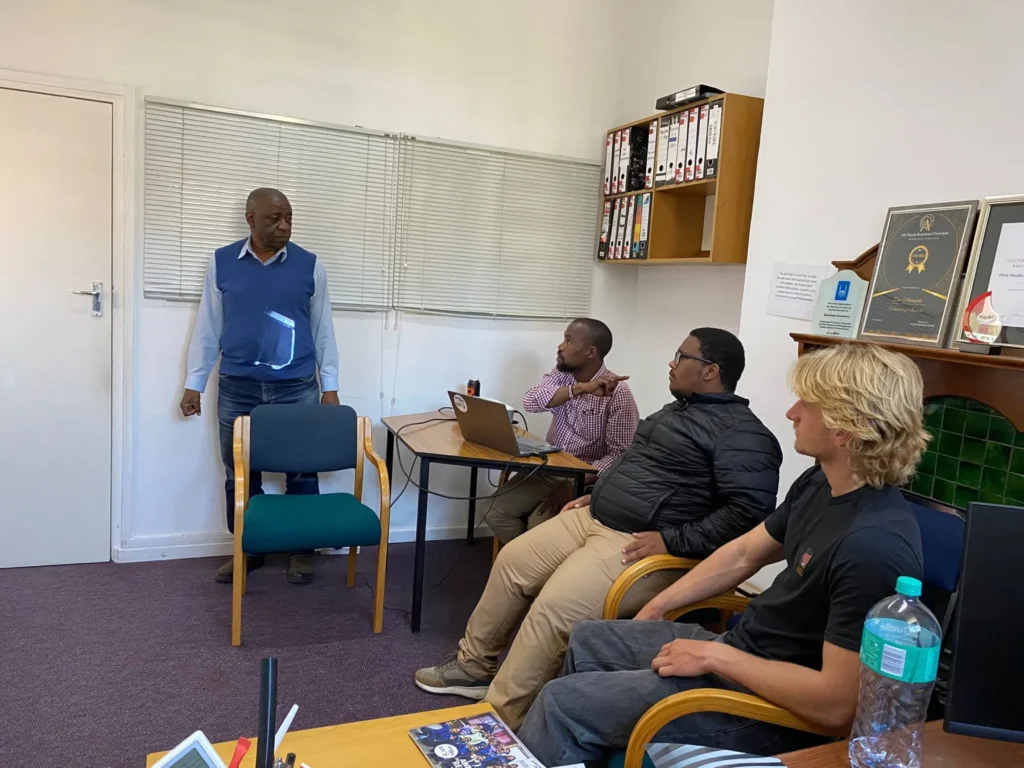
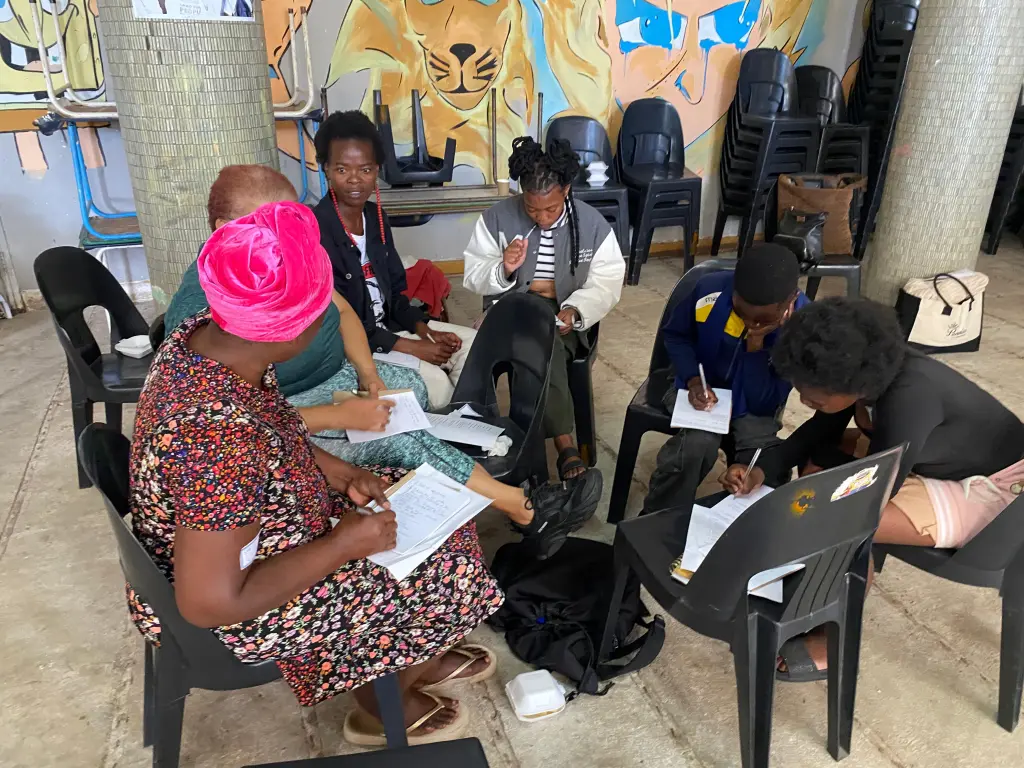
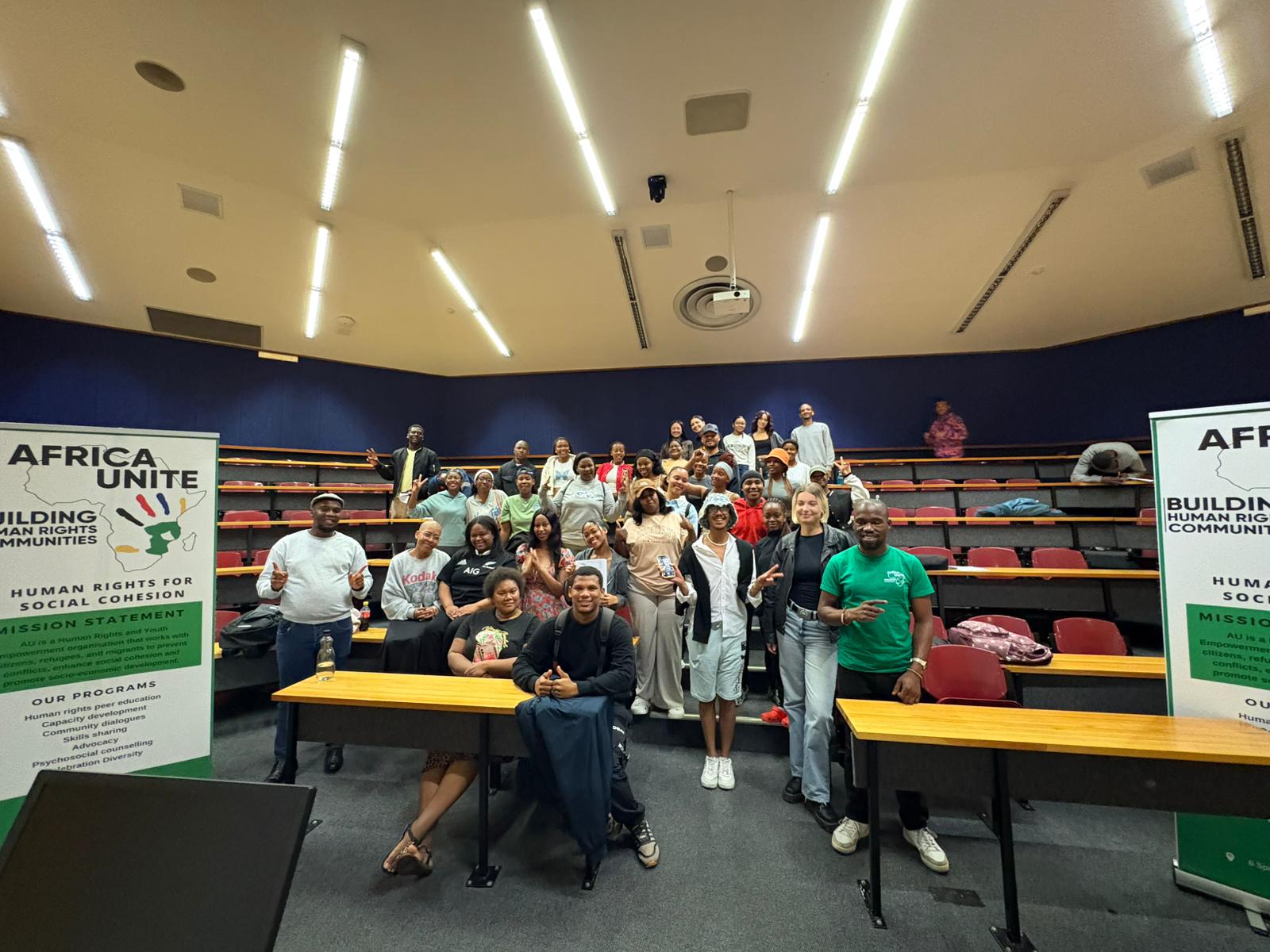
On October 29 2025, the Philliphi Empowerment and Development Initiative (PEDI) and Africa Unite, in partnership with local community leaders, hosted a dialogue in Philliphi Village, Cape Town. This event, known as the Philliphi Dialogue, served as a follow-up to the New Eisleben Dialogue, which had initiated the New Eisleben Initiative. The dialogue brought together 42 participants, including 24 women and 20 men, representing the Philliphi community. Attendees included community leaders, neighbourhood watch groups, various community and youth organizations, government representatives (such as ward councillors), and members of the Department of Health and the Western Cape Provincial Department of Police Oversight and Community Safety. The discussions focused on identifying ways to create a safer, more vibrant, and active community in Philliphi.
The purpose of the dialogue
The purpose of the dialogue was to promote an appreciative approach to addressing the social issues that hinder the life of the community. This dialogue followed the discussion and recommendations from the New Eisleben Dialogue, which brought understanding of the various factors affecting the community. The goal was to gather support and collaboration from community partners, including community members, community structures, government, and private organisations, to collectively envision the community that residents aspire to have. Most importantly, the dialogue aimed to gather insights that would help shape the vision of a safer, vibrant, and active community of Philliphi, as well as inform the action programs and implementation strategies for the New Eisleben-Philliphi Initiative. This report summarizes the main points of discussion, key outcomes, and recommendations from the participants.


Community Opening Remarks and Introduction
The dialogue commenced with welcoming remarks and introductions from all participants. Most speakers expressed deep concern about the increasingly devastating state of Philippi and the impact it has on the lives of its residents. The representative of Philippi Village, who also hosted the dialogue, shared that community members have experienced serious safety threats, including incidents of hijackings and robberies. It was further reported that some service providers responsible for essential maintenance, such as lift repairs, have suspended their services due to persistent safety concerns. Participants noted that the insecurity in Philippi has severely disrupted basic services. City and government service providers often require police or private security escorts to perform their duties, and in some cases, suspend or delay their services entirely due to threats. One resident shared a personal story of returning home after visiting family to find their house completely emptied by burglars, underscoring the gravity of everyday crime in the area.
Police Oversight and Community Safety
Representatives from the South African Police Service (SAPS), oversight bodies, and community safety structures highlighted that Philippi is among the top 15 areas with the highest crime rates in both the province and the nation. This includes the broader Nyanga policing subdistrict, which covers Nyanga, Mfuleni, Delft, and Gugulethu. He expressed grave concern about Philippi’s high rates of violent deaths. He reported that the community contributes over 35% of the province’s total murder statistics, largely from gun-related incidents, even though Philippi does not have a licensed firearm outlet in its vicinity.
A government representative further emphasised that one of the community’s major internal challenges is poor accountability for leadership. Some local leaders reportedly prioritise personal benefit over community progress, particularly in programmes meant to alleviate poverty or enhance safety. Such self-interest often undermines projects and prevents them from achieving their intended objectives.
The representative also raised concerns about “proxy leadership”, where individuals occupy leadership positions not out of genuine commitment, but to protect the interests of others. This dynamic, coupled with competition for benefits, has created mistrust and stagnation in local development processes. As a result, community decision-making has weakened, and the overall momentum toward positive change has been slowed.
Opening Remarks by Captain Duben, Browns Farm Satellite Commander
Captain Duben of the Browns Farm SAPS Satellite Station stressed the importance of open communication and collaboration between the community and the police. He affirmed that police officers have an obligation to respond to community concerns and that effective policing depends on mutual trust and cooperation. He highlighted the positive role of the Law Enforcement Advancement Plan (LEAP) officers, who now work closely with the Browns Farm SAPS, improving visibility and responsiveness. However, he also noted that the targeting of government vehicles by criminals has disrupted services and increased risks for officials.
The Captain urged community members not to remain silent in the face of crime, calling for residents to report incidents and support policing efforts. He acknowledged the community’s efforts to stand together in difficult times and assured that SAPS remains committed to meeting the community halfway. Several participants also raised concerns about the recent closure of the Browns Farm/Philippi Library, viewing it as a loss of an important, safe and educational space for youth.
Opening Remarks by the Department of Health and Wellness – Mr Andile Sebeko
Mr Andile Sebeko, representing the Provincial Department of Health and Wellness, emphasised the urgent need for accessible health facilities, including mental health support centres, to address the deep trauma caused by persistent violence, particularly among children. Many children in Philippi experience multiple layers of poverty and psychological distress, which demand early intervention.
Sebeko recommended expanding Early Childhood Development (ECD) programmes that provide not only education but also nutritional and emotional support for young children. He highlighted that prevention begins in early childhood, where consistent care, family involvement, and a safe environment can help steer youth away from crime and social ills. He concluded by encouraging the community to strengthen community-led relationships, programmes, and initiatives that promote peace, safety, and healing, affirming that public health and community safety are inseparable pillars of development. The Positive Activities in Philliphi.
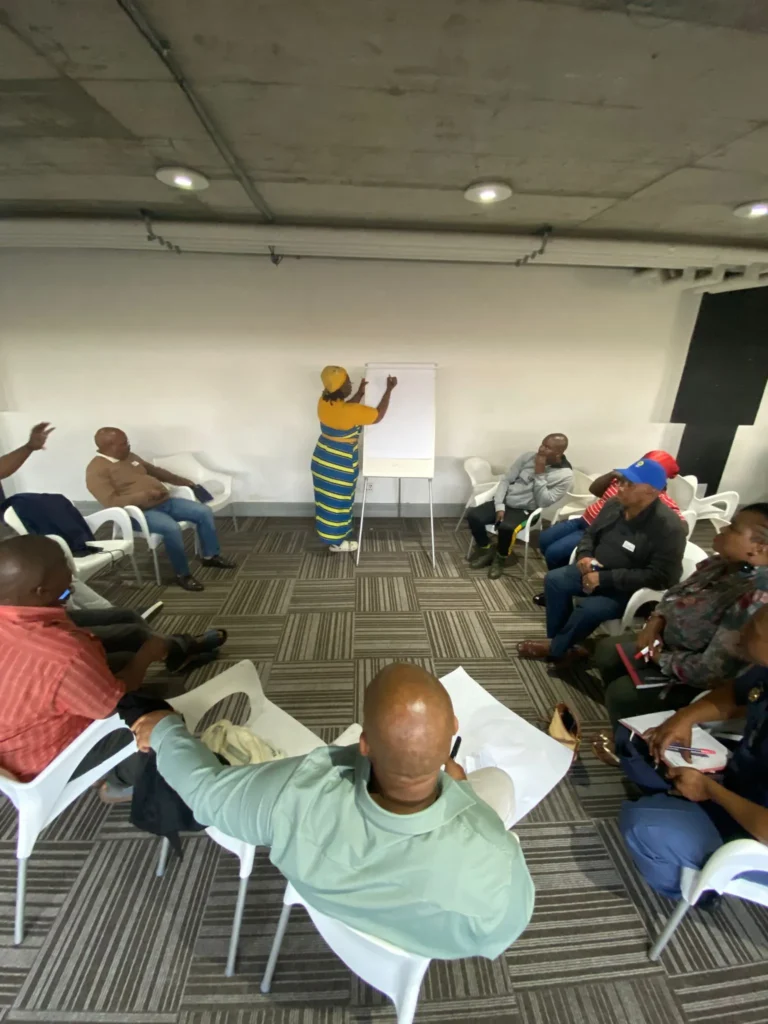

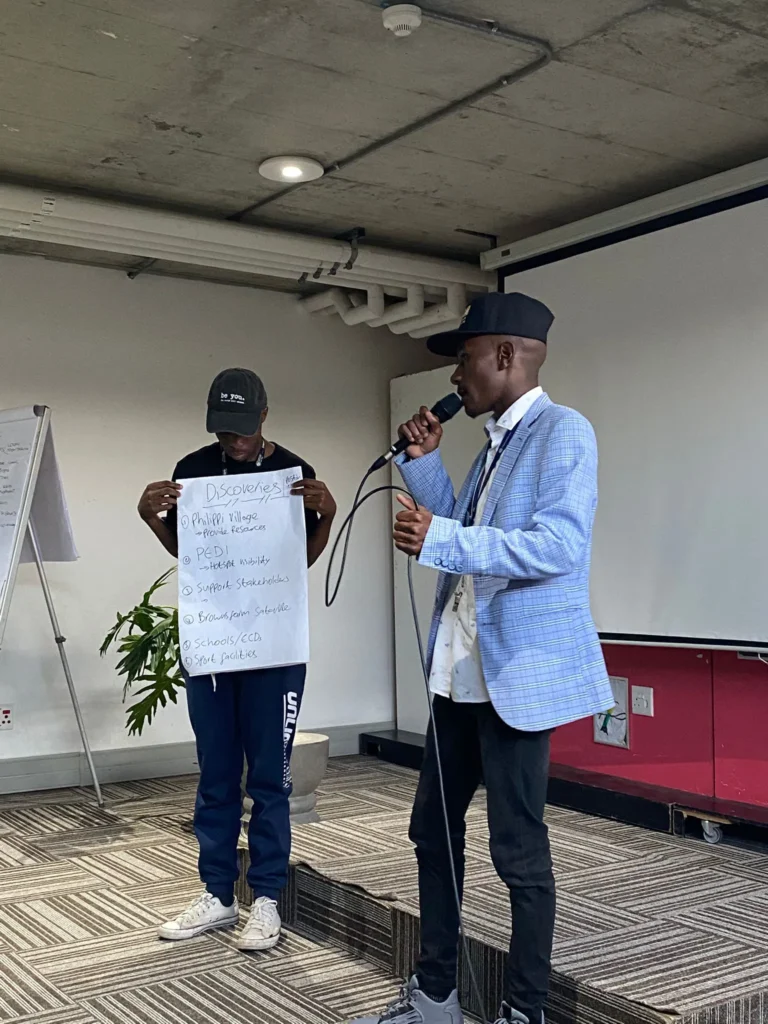
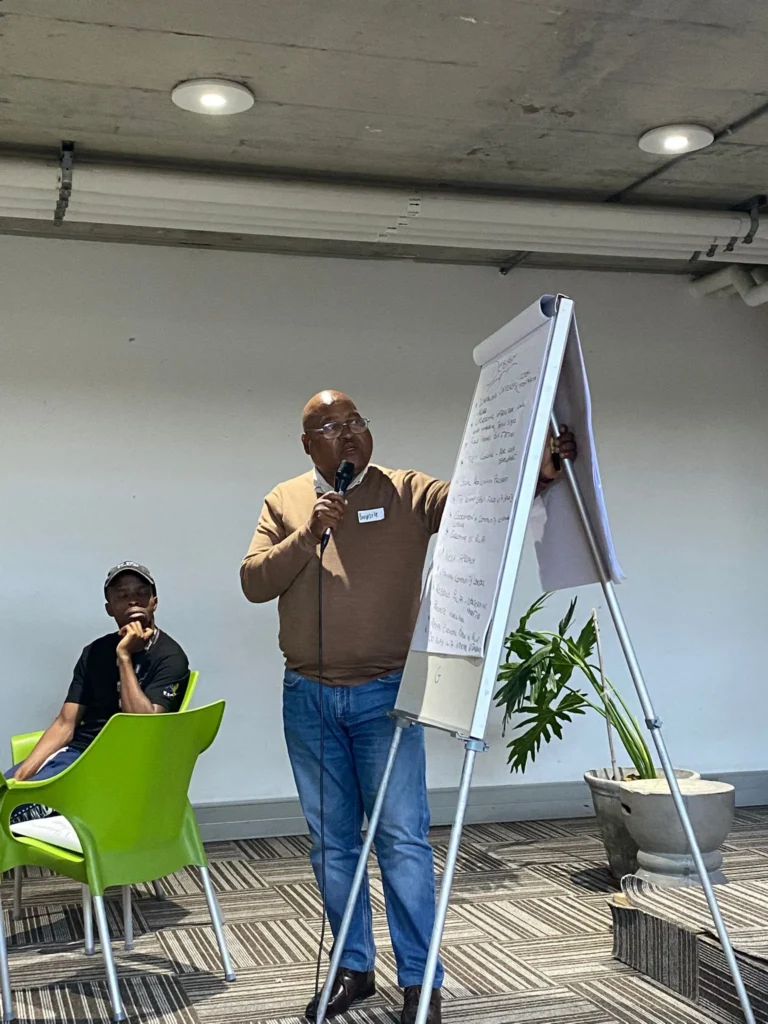
The topics covered during the workshop
Philippi faces rising violent crime, hijackings, and robberies, highlighting the need for better coordination between police, LEAP officers, and community safety structures. Trust and accountability between law enforcement and residents are essential, especially in the wake of concerns over corruption and ineffective leadership. The community demands transparency and prioritization of interests above personal gain. Deterioration of facilities like the Browns Farm/Philippi Library, loss of city services, and lack of recreational spaces for youth are pressing issues, alongside the need for TVET colleges and expanded Early Childhood Development centers. The alarming contribution to gun-related deaths calls for urgent trauma counselling services. Additionally, there is a call to revive economic plans, promote agriculture, and create safe public spaces to foster community engagement and cohesion, aiming for a rebranded Philippi centered on resilience and hope.
Burning issues during the dialogue
The dialogue surfaced several pressing and painful realities facing the community of Philippi. Participants spoke candidly about the daily struggles that threaten their safety, dignity, and development. The following burning issues emerged as the most urgent concerns:
- Philippi remains one of the most dangerous communities in the province, with widespread incidents of shootings, hijackings, and house robberies.
- Fear and insecurity have become part of everyday life, forcing many residents to live in constant anxiety.
- Criminal activities have reached levels where even service providers, health workers, and city officials require armed escorts to operate or avoid the area altogether.
- Participants expressed deep frustration with local leadership structures that appear divided and self-serving.
- Reports of “proxy leadership,” corruption, and lack of accountability have weakened community confidence and cooperation.
- Development initiatives are often derailed by internal conflicts and competition for benefits rather than collective progress.
- Basic infrastructure has deteriorated, roads are poorly maintained, streetlights are non-functional, and house numbering is inconsistent.
- The closure of community facilities such as the Browns Farm/Philippi Library was viewed as symbolic of the broader neglect.
- City and provincial departments have scaled back operations in Philippi due to safety concerns, leaving residents with minimal services.
- The absence of youth development programmes, safe recreational spaces, and local training institutions leaves young people idle and exposed to negative influences.
- Many youths turn to drugs or crime for survival, while others lose hope due to unemployment and lack of access to education or skills development.
- Participants described Philippi as a community “living with trauma.” Children grow up witnessing violence, murder, and fear daily.
- There is a desperate need for mental health support, healing spaces, and social workers to assist victims of violence and bereaved families.
- Although the LEAP programme has improved policing, residents still experience delays in police response and limited visibility in high-risk areas.
- Distrust between the community and SAPS persists, with some residents feeling that their complaints are not taken seriously or followed up.
- Unemployment remains alarmingly high, particularly among the youth.
- The community’s economic potential, especially in agriculture and small business, remains untapped.
- Multiple layers of poverty continue to fuel crime, substance abuse, and social decay.
- Many children lack proper care and nurturing due to family breakdowns, absent parents, and poverty.
- The community lacks Early Childhood Development (ECD) centres equipped to provide full nutritional and developmental support.
- Philippi’s social fabric is strained; mistrust, fear, and individualism are replacing the traditional sense of community solidarity.
- Participants called for renewed unity, dialogue, and a shared commitment to rebuild Philippi’s collective strength.


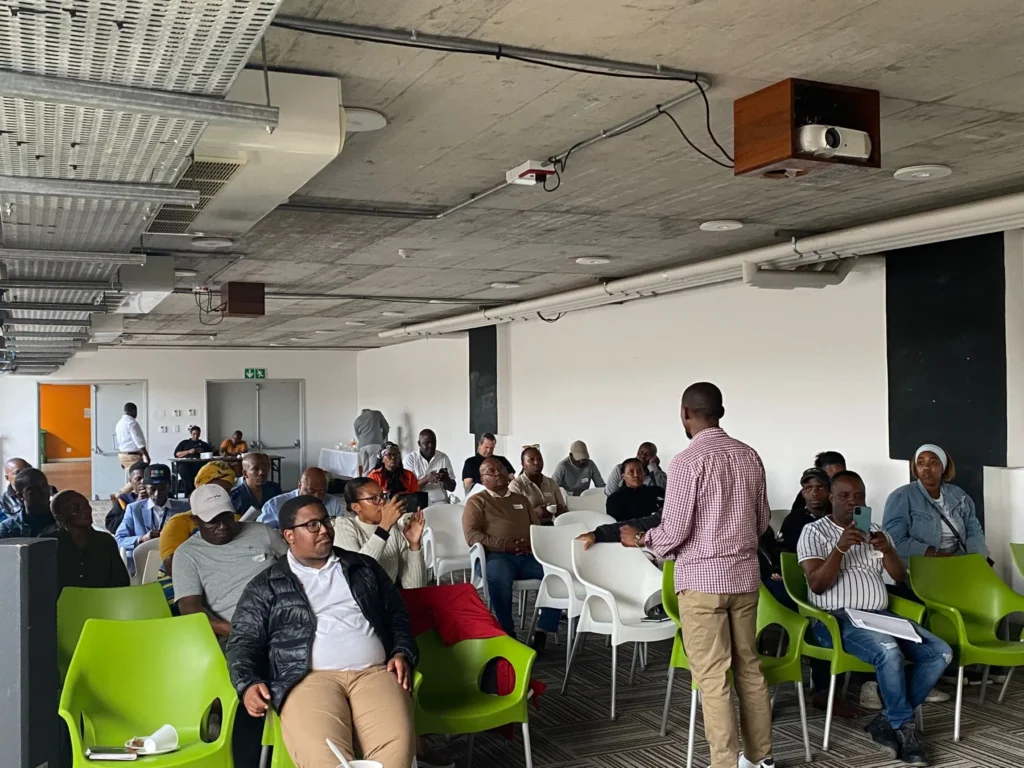
Outcomes of the Workshop
Participants agreed that sustainable change in Philippi requires a partnership among residents, community structures, government departments, and civil society organizations. There was a strong willingness expressed by all stakeholders to work together under the New Eisleben–Philippi Initiative framework, which aims to create a comprehensive development and safety plan rather than just a safety plan. Participants reaffirmed the importance of rebuilding trust between the community and the police. Plans were discussed for enhancing cooperation among SAPS, LEAP officers, and neighbourhood watch groups through regular engagement forums, quicker response mechanisms, and transparent communication.
The dialogue acknowledged the psychological wounds caused by violence and social disintegration. Participants are committed to supporting community-based healing programs, mental health services, and family-strengthening initiatives aimed at rebuilding social trust and solidarity. A consensus was reached that Philippi’s transformation must be led by the community itself, with external partners providing technical, financial, and institutional support. This reaffirmed the principle of “nothing for us without us.” The group to meet again in February after the implementation of some of the recommendations of the dialogue.
Evaluation of the workshop (Comments from participants)
Participants valued the inclusive, solution-focused approach of the dialogue and appreciated being able to voice their concerns directly to community leaders, civil society, and government representatives. The majority expressed hope that collaboration under the New Eisleben–Philippi Initiative would result in tangible improvements and a safer, more vibrant community. Many participants highlighted that continued dialogue, active involvement in planning, and follow-up workshops are essential to ensure accountability and sustained progress.
RECOMMENDATIONS
Based on the dialogue and the collective insights of community members and stakeholders, the following recommendations are proposed to guide the holistic transformation and sustainable development of Philippi:
- Develop a positive community identity that highlights Philippi’s potential, resilience, and innovation, countering negative perceptions.
- Install CCTV cameras that are locally monitored by trusted community expects who understand the context and dynamics of the area.
- Upgrade local infrastructure, including roads, street lighting, house numbering, and traffic signage to improve accessibility and safety.
- Establish a permanent police station with sufficient resources and community trust.
- Expand access to technical and vocational education and training to equip youth and adults with employable and entrepreneurial skills.
- Implement programmes that promote unity, reconciliation, and healing; especially for children and families affected by violence and trauma.
- Rehabilitate community sports fields and ensure they are safe, well-lit, and accessible to all, fostering youth engagement and health.
- Improve collaboration through consistent liaison, transparency, and joint decision-making between government, civic bodies, and residents.
- Launch environmental initiatives that promote tree planting, community gardens, and waste management to make Philippi a greener, cleaner community.
- Adopt an inclusive development model that engages all sectors of government, business, academia, civil society, and residents.
- Provide community leadership training and mentorship to strengthen governance, accountability, and community-driven initiatives.
- Encourage urban farming and organic agriculture for household nutrition and income generation.
- Reassess and implement the area’s economic strategies to attract investment, create jobs, and foster local entrepreneurship.
- Replace unsafe, informal settlements with well-planned, serviced housing that provides dignity and stability to residents.
- Ensure that residents are actively involved in planning, decision-making, and implementation of all local development projects.
- Evaluate and empower the role of local NGOs, community-based, and faith-based organisations in Philippi’s development agenda.
- Create dedicated and secure play areas for children, alongside programmes that promote their wellbeing and learning.
- Provide ongoing training, internships, and job placement initiatives for youth and adults.
- Establish accessible rehabilitation centres for those affected by substance abuse and social challenges.
- Create and support youth-led development initiatives that focus on education, entrepreneurship, arts, and community service.
- Work towards creating a community characterised by proper services, clean surroundings, and dignified living standards for all residents.
Ultimately, these recommendations are designed to lead the community of Philippi toward the environment they aspire to create, a community featuring sports grounds, recreational spaces, various sporting activities, skill centers, motivated youth, better police services, and a drug-free society with reduced informal settlements, less poverty, and positive parenting skills.